Papercuts by Chris Hestnes
Video download by Chris Hestnes
Papercuts by Chris Hestnes
Price: £21.90£21.90inc VAT
Delivered digitally. Prices shown include VAT where applicable. See our returns policy for details.
Add to wishlist
Get 190 VI Points for this purchase.
Click to zoom
Papercuts is a collection of instructional videos featuring 13 original card flourishes covering both basic and advanced techniques as well as several innovative new principles.
Our universal teaching method allows anyone with a basic knowledge of card handling to easily follow along as though they were receiving a private lesson from Chris.
Also included are bonus features including a 26 minute behind the scenes documentary, an interview with the crew about the art of flourishes.
Add to wishlist
Customer reviews for Papercuts by Chris Hestnes

Anonymous
As you all may or may not know, Papercuts by Chris Hestnes was available for purchase at Magic-Con. I was able to get my hands on a copy, and this is a sort of first-look review for it. It?s available for purchase at dananddave.com. For those of you wondering about purchasing it, hopefully this will help you make a decision. I?m not going to rate? this on difficulty, as that number is completely dependent on the person learning the move, their experience, and how often they practice. As this is my first review of a flourishing Collection, I hope I can give you all the information you?re looking for. If you have any questions about Papercuts or anything of the sort, just ask in a comment and I?ll respond quickly.
UPDATE: Allan Hagen has told us that there are 5 easter eggs hidden away in the Papercuts menu. I reccomend taking the time to find them, they?re pretty interesting.
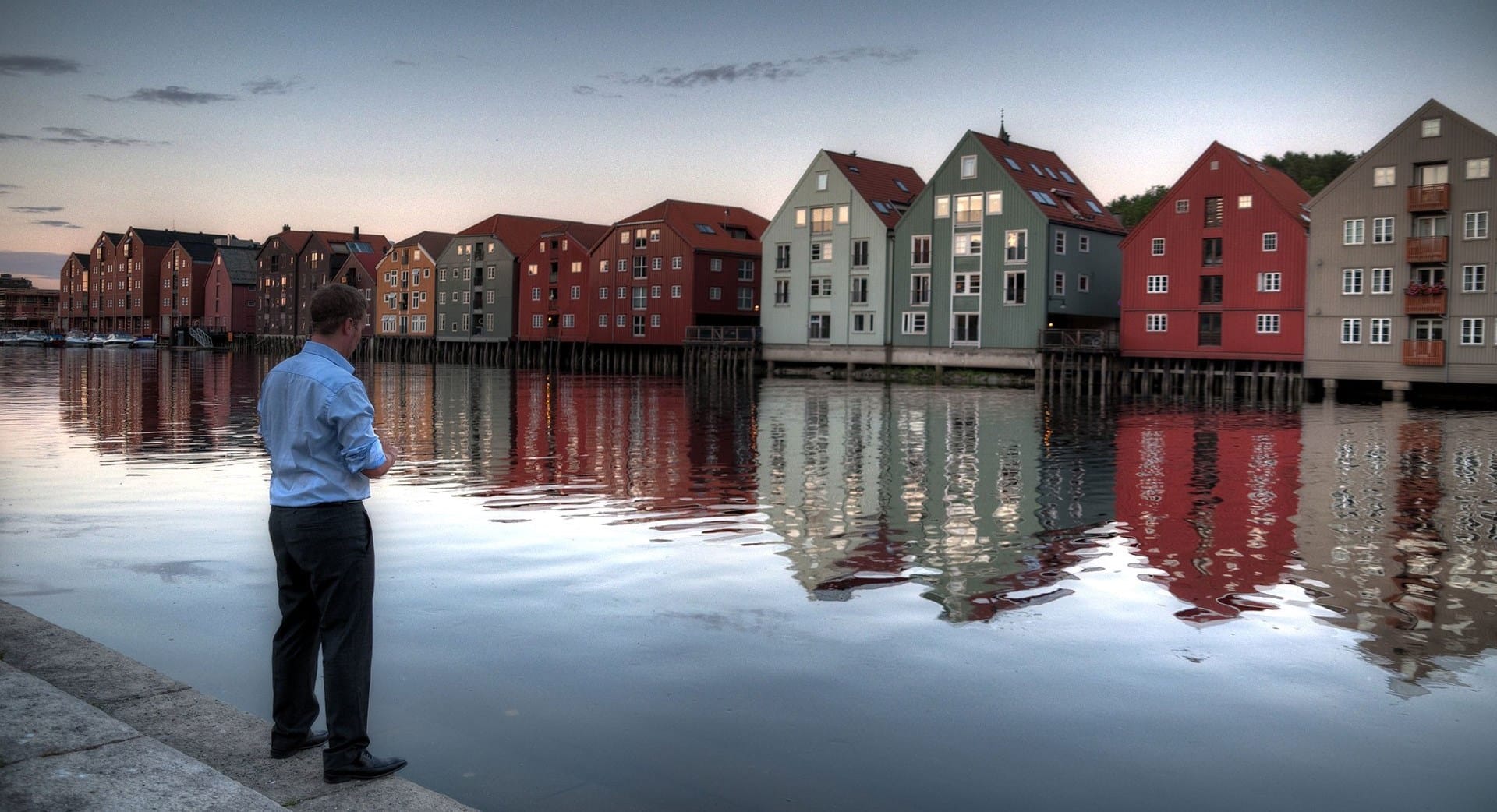
The Collection has 13 flourishes on it, all creations of Chris Hestnes. It also comes with a booklet in which Chris lists credits and inspiration to each flourish as well as giving a small writing piece about the project. Additionally, there?s a table of contents for the bonus features, and some pictures of the crew & project. The Collection is extremely well produced. The Norwegian backdrop is added eye-candy, the original music score fits the production wonderfully, and the camera work is excellent. Each flourish is show multiple times, from multiple angles, and multiple speeds. At the slowest speed there are two views going, one from the friend as well as an over the shoulder view. This definitely speeds up the learning process. This si a fairly lengthy review, as I say a little bit about each thing. Now, onto the flourishes.
1337: Chris attributes the name, style, and rhythm of this flourish? to 000.327.0000, a cut by Dan and Dave that can be found on The System. The spinning style of that flourish is definitely evident in this one, and it?s reminiscent of the rotation during the Jones Change. This is a fairly fast looking flourish. I was able to get the moves down during the first watch, but the difficulty lies in its speed. It?s easy to learn the motions but it?ll take a while of practicing to get it up to Chris? level.
Atomic: A nice little spiddition to the T.G. deck flip. Atomic is a quick flourish, taking only a little more than a second to complete. A packet is spun of the deck in a Jones Change-esque motion, extended, and tossed up in the air back onto the deck while the executing a T.G Deck Flip in the other hand. It?s difficult to put into words, but looks awesome. This is one of those aerial flourishes were you just need to do it to get it down. You?ll surprise yourself how easy it is to get a handle on, but it?s an impressive looking one.
Bluegarden: In the accompanying book, Chris says that he believes this is the most difficult flourish he?s created, and I?m inclined to agree. Whereas most flourishes have sort of a sybil feel, or a molecule theme, etc. this one has quite a few different styles. The beginning of the cut is like sybil, but then it goes into a horizontal display, some card flares, and an aerial to finish it all of. Learning the moves for this flourish will take some time, as will getting them down smoothly. But the different moves and speed of Bluegarden make it look great.
Bullet Time: This flourish is credited to D&D?s Eko cut on the Trilogy. Bullet Time has a couple of small displays, balanced out with one card flourishes. This helps pace the flourish and gives it a unique, appealing rhythm. It?s not exactly easy to get down, but I wouldn?t call it a knuckle buster either. Chris uses some variations on classic grips that will take a little bit of time to get used to.
California: The first thing that came to mind when watching this one was that it?s a component. California looks like a piece of a bigger flourish to me, but still has the ability to stand alone. It?s like revolution cut meets real time. Again, not neccessarily a difficult one to learn but it will take a substantial amount of practice to get the muscle memory to kick in. The display kind of pops out at you though, a good piece of eye-candy.
Chronographic: Chris said he got the single card grip in the right hand from Dan and Dave?s Preqel video. The influence of Preqel on this flourish is obvious, but at the same time it has it?s own feel. Chris seems to have a talent for taking a small idea or motion as a seed and creating his own flourishes with a distinct image from that seed. Chronographic has a very smooth look to it. The grips are a tad different but shouldn?t be too hard to get used to.
Evergreen: This flourish was originally known as Wings of the Butterfly which, in my opinion, suits it better. The flares and displays give it a life like? quality. There are a lot of moves in this one but they?re not that complex. It took me about 3 times through the explanation to do the flourish, very slowly, without mistakes. Just like a lot of the other flourishes it looks complex and hard to handle, but in reality isn?t anywhere near that difficult.
Gate 22: In the credits, Chris said himself that this wasn?t the most original flourish ever. That being said, he still put his own feel to it. It flows wonderfully and the moves seem to keep going with little effort. It uses a lot of basic or otherwise widely known moves put together to create a a much better big picture. Learning time for this one really depends on what you already know and have down.
MWrench: I love the Molecule series of cuts, and this one has some sweet molecule action. I?m not going to try and put this cut into words, as there?s a little too much going on. As with the others, this one isn?t inherently difficult. I was able to follow the first walkthrough all the way to the end without any mistakes. Dan and Dave?s style is seen throughout the flourish but, as Chris seems to be able to do so easily, it?s very distinct and has some of his unique moves.
Optimus: This flourish is a direct result of Chris? desire for a triangle cut. The action before the triangle display flows well, and then the triangle just seems to appear. Definitely a visual one and one that laymen would enjoy seeing. It?s a variation on Chris? transformer flourish, taught later on the Collection.
Revolver: By far my favorite one on the Collection. The majority of the flourish is done with a single card. It revolves and spins around the deck and extended packets, then is flicked back on the deck via D&D?s flic on Andthensome. Chris also shows two other endings where you spin the card on your watch, or finish by catching an arm spread. It?s simple and elegant looking. Learning it is an odd process but progress comes quickly.
Transformer: The idea behind this was that Chris wanted an original opener and I?d say he achieved his goal. This is a small, smooth looking flourish. I could definitely see myself adding this into one of my own. I really like the small packet drop at the end as it slows down the speed of the flourish for the finale.
Zen: The credits say that Zen is based on the Tornado cut. There?s definitely the tornado style in there, but then Chris rotates and spins that packet around in a different way. A fresh take on this semi-classic flourish, as well as some original stuff before and after.
Overall this Collection is a great production. Allen Hagen did a wonderful job of editing and putting this thing together. The flourishes are shown from as many angles as one would need to learn them and the material itself is fresh and original. Chris has his own style and flow. All of his flourishes showcase his ability to take an existing idea or concept and rework it until it looks completely new. As for the skill level the flourishes are higher than beginner, but you don?t have to have 10+ years of experience just to do them. It?s a nice set of intermediate level work. I strongly suggest anyone interested picks up a copy tomorrow. Also, Dan and Dave have said that the first 100 copies are signed by themselves as well as Chris Hestnes and Allen Hagen. Even better, the first 52 copies sold come with a Jerry?s Nugget playing card that was actually used in the Collection & signed
UPDATE: Allan Hagen has told us that there are 5 easter eggs hidden away in the Papercuts menu. I reccomend taking the time to find them, they?re pretty interesting.
The Collection has 13 flourishes on it, all creations of Chris Hestnes. It also comes with a booklet in which Chris lists credits and inspiration to each flourish as well as giving a small writing piece about the project. Additionally, there?s a table of contents for the bonus features, and some pictures of the crew & project. The Collection is extremely well produced. The Norwegian backdrop is added eye-candy, the original music score fits the production wonderfully, and the camera work is excellent. Each flourish is show multiple times, from multiple angles, and multiple speeds. At the slowest speed there are two views going, one from the friend as well as an over the shoulder view. This definitely speeds up the learning process. This si a fairly lengthy review, as I say a little bit about each thing. Now, onto the flourishes.
1337: Chris attributes the name, style, and rhythm of this flourish? to 000.327.0000, a cut by Dan and Dave that can be found on The System. The spinning style of that flourish is definitely evident in this one, and it?s reminiscent of the rotation during the Jones Change. This is a fairly fast looking flourish. I was able to get the moves down during the first watch, but the difficulty lies in its speed. It?s easy to learn the motions but it?ll take a while of practicing to get it up to Chris? level.
Atomic: A nice little spiddition to the T.G. deck flip. Atomic is a quick flourish, taking only a little more than a second to complete. A packet is spun of the deck in a Jones Change-esque motion, extended, and tossed up in the air back onto the deck while the executing a T.G Deck Flip in the other hand. It?s difficult to put into words, but looks awesome. This is one of those aerial flourishes were you just need to do it to get it down. You?ll surprise yourself how easy it is to get a handle on, but it?s an impressive looking one.
Bluegarden: In the accompanying book, Chris says that he believes this is the most difficult flourish he?s created, and I?m inclined to agree. Whereas most flourishes have sort of a sybil feel, or a molecule theme, etc. this one has quite a few different styles. The beginning of the cut is like sybil, but then it goes into a horizontal display, some card flares, and an aerial to finish it all of. Learning the moves for this flourish will take some time, as will getting them down smoothly. But the different moves and speed of Bluegarden make it look great.
Bullet Time: This flourish is credited to D&D?s Eko cut on the Trilogy. Bullet Time has a couple of small displays, balanced out with one card flourishes. This helps pace the flourish and gives it a unique, appealing rhythm. It?s not exactly easy to get down, but I wouldn?t call it a knuckle buster either. Chris uses some variations on classic grips that will take a little bit of time to get used to.
California: The first thing that came to mind when watching this one was that it?s a component. California looks like a piece of a bigger flourish to me, but still has the ability to stand alone. It?s like revolution cut meets real time. Again, not neccessarily a difficult one to learn but it will take a substantial amount of practice to get the muscle memory to kick in. The display kind of pops out at you though, a good piece of eye-candy.
Chronographic: Chris said he got the single card grip in the right hand from Dan and Dave?s Preqel video. The influence of Preqel on this flourish is obvious, but at the same time it has it?s own feel. Chris seems to have a talent for taking a small idea or motion as a seed and creating his own flourishes with a distinct image from that seed. Chronographic has a very smooth look to it. The grips are a tad different but shouldn?t be too hard to get used to.
Evergreen: This flourish was originally known as Wings of the Butterfly which, in my opinion, suits it better. The flares and displays give it a life like? quality. There are a lot of moves in this one but they?re not that complex. It took me about 3 times through the explanation to do the flourish, very slowly, without mistakes. Just like a lot of the other flourishes it looks complex and hard to handle, but in reality isn?t anywhere near that difficult.
Gate 22: In the credits, Chris said himself that this wasn?t the most original flourish ever. That being said, he still put his own feel to it. It flows wonderfully and the moves seem to keep going with little effort. It uses a lot of basic or otherwise widely known moves put together to create a a much better big picture. Learning time for this one really depends on what you already know and have down.
MWrench: I love the Molecule series of cuts, and this one has some sweet molecule action. I?m not going to try and put this cut into words, as there?s a little too much going on. As with the others, this one isn?t inherently difficult. I was able to follow the first walkthrough all the way to the end without any mistakes. Dan and Dave?s style is seen throughout the flourish but, as Chris seems to be able to do so easily, it?s very distinct and has some of his unique moves.
Optimus: This flourish is a direct result of Chris? desire for a triangle cut. The action before the triangle display flows well, and then the triangle just seems to appear. Definitely a visual one and one that laymen would enjoy seeing. It?s a variation on Chris? transformer flourish, taught later on the Collection.
Revolver: By far my favorite one on the Collection. The majority of the flourish is done with a single card. It revolves and spins around the deck and extended packets, then is flicked back on the deck via D&D?s flic on Andthensome. Chris also shows two other endings where you spin the card on your watch, or finish by catching an arm spread. It?s simple and elegant looking. Learning it is an odd process but progress comes quickly.
Transformer: The idea behind this was that Chris wanted an original opener and I?d say he achieved his goal. This is a small, smooth looking flourish. I could definitely see myself adding this into one of my own. I really like the small packet drop at the end as it slows down the speed of the flourish for the finale.
Zen: The credits say that Zen is based on the Tornado cut. There?s definitely the tornado style in there, but then Chris rotates and spins that packet around in a different way. A fresh take on this semi-classic flourish, as well as some original stuff before and after.
Overall this Collection is a great production. Allen Hagen did a wonderful job of editing and putting this thing together. The flourishes are shown from as many angles as one would need to learn them and the material itself is fresh and original. Chris has his own style and flow. All of his flourishes showcase his ability to take an existing idea or concept and rework it until it looks completely new. As for the skill level the flourishes are higher than beginner, but you don?t have to have 10+ years of experience just to do them. It?s a nice set of intermediate level work. I strongly suggest anyone interested picks up a copy tomorrow. Also, Dan and Dave have said that the first 100 copies are signed by themselves as well as Chris Hestnes and Allen Hagen. Even better, the first 52 copies sold come with a Jerry?s Nugget playing card that was actually used in the Collection & signed
Anonymous
There's something of a generation gap in the magic world. Some magicians despise the flashy card flourishes found in the field of extreme card manipulation (XCM). While others, mostly younger magicians, can't get enough of XCM and eagerly soak up the latest moves and worship the field's talented stars.
Personally, I enjoy watching the intricate moves of XCM and admire the practice and skill necessary to execute them. And if you love XCM, you'll probably like Papercuts by Chris Hestnes.
Papercuts is a first rate instructional Collection that teaches 13 original card flourishes. Most of the moves involve the cutting of a deck of cards into multiple sections, and there's an emphasis here on the flashy twirling of the packets between the fingers. The moves are visual, challenging and fun to watch.
Of note, this Collection features first rate instruction. There's not only step-by-step instructions, but you get to view the moves from the front as well as the performer's perspective. The result is that this is one of the most effective Collections that I've seen for teaching the complex XCM moves.
If you love to learn and perform XCM, you may find lots of like on Papercuts. I won't even try to describe the moves here. Just watch the video to discover if there's anything here that you would like to learn.
Personally, I enjoy watching the intricate moves of XCM and admire the practice and skill necessary to execute them. And if you love XCM, you'll probably like Papercuts by Chris Hestnes.
Papercuts is a first rate instructional Collection that teaches 13 original card flourishes. Most of the moves involve the cutting of a deck of cards into multiple sections, and there's an emphasis here on the flashy twirling of the packets between the fingers. The moves are visual, challenging and fun to watch.
Of note, this Collection features first rate instruction. There's not only step-by-step instructions, but you get to view the moves from the front as well as the performer's perspective. The result is that this is one of the most effective Collections that I've seen for teaching the complex XCM moves.
If you love to learn and perform XCM, you may find lots of like on Papercuts. I won't even try to describe the moves here. Just watch the video to discover if there's anything here that you would like to learn.
Anonymous
The bonus material is awesome! The flourishes are all preformed and taught well, its one of the best flourish Collections out there!
Anonymous
One of, if not, the best Collection's out there on cardistry. Every flourish is beautiful and worth the time to learn. The quality is of the highest caliber as is the teaching. You get to see each flourish performed at speed, slow and smooth, and of course step-by-step which makes learning easier than it ever has been. If you like flourishing there is no reason you shouldn't already own this.
Anonymous
I am a proud owner of The Trilogy, And Then Some, The System, The Daniel Garcia Project, and several other multiple Collection collections that feature many flourishes. By far this Collection is a must for any fan of the above-mentioned Collections and a "requirement" for any true cardistry or card magician. You have no reason or explanation needed if you already own this. If you do not, stop reading this review and go ahead and buy it now. You will be astonished by the flourishes and teachings as they are of the highest quality. Some of the flourishes are quite demanding of practice but well worth the time, effort, and energy you must devote to each. You will even astonish yourself after you learn them. Rarely do Collections surprise me with the amount of great, "unimaginable", and magical information given to its production so this is one of those times where the Collection is worth 10 times the price, and then some (to say the least). I own over 400 Collections dealing with card magic and approximately 120 that deal with other genres of magic. I can proudly say that this Collection is one of my top 5 favorites. Own this one today and you can say the same. A suggestion is to buy The Trilogy, And Then Some, and The System along with this Collection. You will be the owner of extremely precious treasures of magic if you take my suggestion.
Anonymous
Papercuts is full of many awesome cuts. On this Collection, you will be taught slowly with the angle over the shoulder while at the same time a window on the top left corner of the screen shows how it looks from the front. There is no speaking or text during the explanations, but I still found them easy to understand. The moves, although complicated, are not difficult to do. It does takes practice to perform them fluently though.
In the magician's view, this Collection is ideal for you if you are looking for beautiful false cuts, and top/bottom packet retention to use in your routines. The tutorials don't tell you which cuts are false or not, but it's not hard to figure out. I will use cuts from this Collection to improve my magic routines.
Highly recommended.
In the magician's view, this Collection is ideal for you if you are looking for beautiful false cuts, and top/bottom packet retention to use in your routines. The tutorials don't tell you which cuts are false or not, but it's not hard to figure out. I will use cuts from this Collection to improve my magic routines.
Highly recommended.
Anonymous
This Collection is full of great content and has inspired me to create some of my own flourishes. The bonus content is great, the behind the scenes is really cool and shows just how much effort they put into making this Collection. The guest submissions are great and include a really cool card trick by Dave Buck called peek-aboo.
The teaching method is easy to follow as the flourishes are shown in fast motion then slow motion with two camera angles at the same time so you know exactly what to do when.
The teaching method is easy to follow as the flourishes are shown in fast motion then slow motion with two camera angles at the same time so you know exactly what to do when.
Anonymous
Papercuts is one of the best flourishing Collection's out there. Every cut is beautiful. The teaching is really clear and everything is easy to follow. The Collection was shot in Norway. Awesome landscape + awesome music + awesome cinematography + awesome flourishes = Papercuts. I recommend it to everyone because it's worth every cent.
Anonymous
This is probably the best purchase I've made in 2011. Dan and Dave have teamed up with cinematographer Allan Hagen and flourisher Chris Hestnes to produce a Collection that raises the bar even higher. The quality is unparalleled and beyond most Collections. Allan was a great DP and made this experience much more cinematic and professional. As for the flourishes, they are not too difficult, but they are original and a great addition to anyone's repertoire. If you have started cardistry fairly recently but have a solid foundation, this is the next step.
Anonymous
Just got the app to go along with my copy of Papercuts - a great idea! On the go and helps to cut down on storage! Love it!
Anonymous
This Collection has a great collection of cuts focusing mainly on twirls and flares as well as some nice aerials. I give it a 5 star rating as it meshes well with my personal flourishing style and hence I am biased to the concepts explored in this Collection. However, those with a preference for displays or the xcm brand of flourishing may be disappointed.
What I find really noteworthy about the flourishes taught on this Collection though, is that I tend to find myself in a similar packet-handling position/grip in the middle of most of the flourishes. This is especially useful as I can mix and match different moves utilizing those similar finger-to-packet positions. In fact, most of the flourishes, although great on their own, feel somewhat incomplete and can be incorporated or linked together into a much larger flourish. Be that as it may, I have managed to add many new moves and applications to my repertoire which I can use to expand and improve on my own flourishes.
As I have experience in the art of flourishing and more or less have my basics down, I find the teaching style very easy to follow and the dual angles are very helpful. Chris uses traditional packet grips in most of his flourishes and I can instinctively recognize the finger positioning and subsequent actions that follow on first glance. However, it may prove daunting to beginners who are not familiar with with them especially so since there are no specific words/voice instructions or pauses during the more complicated phases of the flourishes. Beginners may have to rewind several times to fully grasp the intricate mechanics and flow of the flourishes. The beauty of the flourishes though, in my opinion, makes it worth the effort.
Overall, this is Collection is perfect for intermediate level cardists attempting to break through to the advanced level. Advanced cardists may find some of the techniques and applications to be of value as well depending on their level. This isn't exactly the best learning resource for complete beginners but I would still recommend it as you will eventually reach the stage where you can take on the beasts on this Collection anyway.
What I find really noteworthy about the flourishes taught on this Collection though, is that I tend to find myself in a similar packet-handling position/grip in the middle of most of the flourishes. This is especially useful as I can mix and match different moves utilizing those similar finger-to-packet positions. In fact, most of the flourishes, although great on their own, feel somewhat incomplete and can be incorporated or linked together into a much larger flourish. Be that as it may, I have managed to add many new moves and applications to my repertoire which I can use to expand and improve on my own flourishes.
As I have experience in the art of flourishing and more or less have my basics down, I find the teaching style very easy to follow and the dual angles are very helpful. Chris uses traditional packet grips in most of his flourishes and I can instinctively recognize the finger positioning and subsequent actions that follow on first glance. However, it may prove daunting to beginners who are not familiar with with them especially so since there are no specific words/voice instructions or pauses during the more complicated phases of the flourishes. Beginners may have to rewind several times to fully grasp the intricate mechanics and flow of the flourishes. The beauty of the flourishes though, in my opinion, makes it worth the effort.
Overall, this is Collection is perfect for intermediate level cardists attempting to break through to the advanced level. Advanced cardists may find some of the techniques and applications to be of value as well depending on their level. This isn't exactly the best learning resource for complete beginners but I would still recommend it as you will eventually reach the stage where you can take on the beasts on this Collection anyway.