New magic tricksMagic booksMentalism
Browse magic
MasterclassVI ExclusivesBlogPodcastPerformance style
Props & accessories
Product type
New to magic?
Show control systems have undergone a massive transformation over the past century, evolving from really basic mechanical automations to modern network-driven architectures. This progression has been made possible by advancements in technology, networking, and—of course—automation software. This has enabled seamless synchronization of AV elements, special effects, and interactive systems across live performances, theme parks, and multimedia installations. The shift from isolated analog controls to integrated digital networks has not only delivered a much more reliable solution, but also made amazing show automations available to everyone, allowing smaller productions to achieve technical feats once reserved for large-scale Broadway or theme park spectacles. And yes, that means magicians like you and me can now add huge production value to our shows for only a couple of hundred bucks!
The origins of show control trace back to mechanical automata and clockwork-driven spectacles of the 18th and 19th centuries. Something magicians like us should be awfully familiar with! However, the advent of electricity and analog electronics in the early 20th century laid the groundwork for modern, affordable systems like “Magic Cue”.
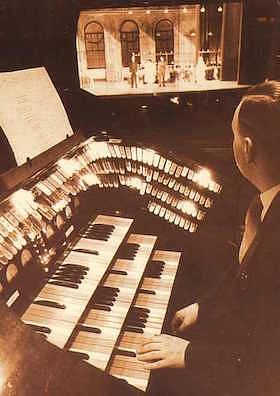
In the 1930s, Strand Electric’s “Light Console” introduced remote dimmer control for theatrical lighting, replacing manual boards. This innovation allowed operators to manage hundreds of circuits from a centralized location, a critical step toward the automation we can all enjoy today.. By the 1950s, systems like the 216-way Light Console at London’s Theatre Royal Drury Lane automated lighting scene transitions through preset “masters,” though these desks still needed a human to push and pull levers and sliders.
Disney’s Great Moments with Mr. Lincoln (1964) changed automation forever, combining audio-animatronics, lighting, and sound through analog sequencers. Pneumatic timers and relay logic coordinated Mr. Lincoln’s movements with orchestrated lighting cues, demonstrating the potential of synchronized show control for mass-audience attractions. Although these systems were amazing at the time, they were not at all flexible, and the slightest alterations to the show needed mechanical adjustments, and sometimes complete re-wiring!
The introduction of digital interfaces in the 1970s revolutionized show control by enabling programmable, repeatable sequences. This changed the game for everyone.
The 1980s saw the arrival of MIDI (Musical Instrument Digital Interface) and SMPTE timecode that let different devices “talk” to each other. MIDI’s binary on/off messages allowed lighting consoles to trigger sound effects, while SMPTE provided frame-accurate synchronization between video playback and pyro effects. Strand’s “Command Cue” (1980s) was the total state of the art system of the day, using an Amiga computer to send MIDI Show Control (MSC) commands to lighting and audio subsystems. As a bonus, the engineer could play Lemmings during downtime.
Despite improvements, these systems came with their own challenges:
This really echoed the overall issues all technology was facing at the time. Not enough bandwidth for everything we wanted to send and receive, and manufacturers wanting to control every aspect of the ecosystem to make sure customers didn’t go elsewhere.
Hopping into the 2000s, the rise in popularity of Ethernet ushered in a new era of network IP based show control systems.
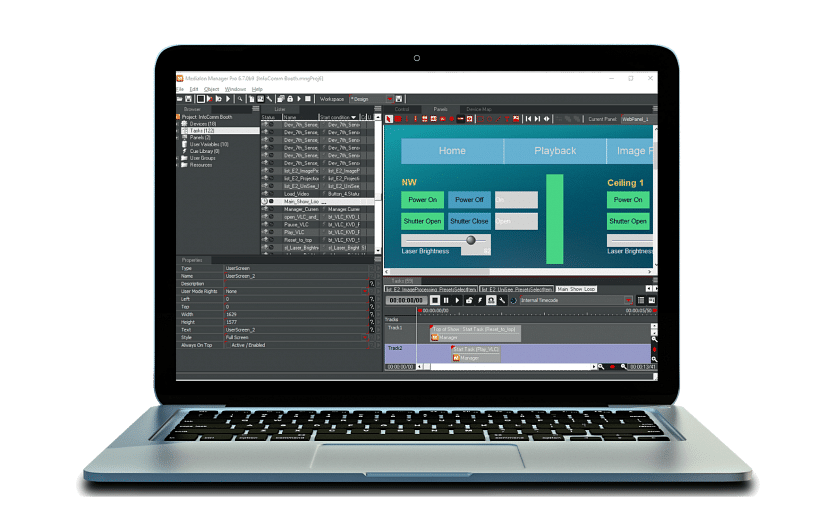
Modern systems today use superfast Ethernet’s high bandwidth and incredibly low latency (how fast one device can talk to another device) to sync thousands of devices. Protocols like Art-Net (for DMX over IP) and AES67 (audio over IP) enable converged networks where lighting, audio, and video share infrastructure. Medialon’s Showmaster LE (2024) makes the most this shift, offering DMX, MIDI, and serial control via a compact, networkable appliance.
PC-based platforms like CSC Show Control andMultiplay 3.0 Beta and iOS apps like “Magic Cue” have widely replaced proprietary hardware, offering:
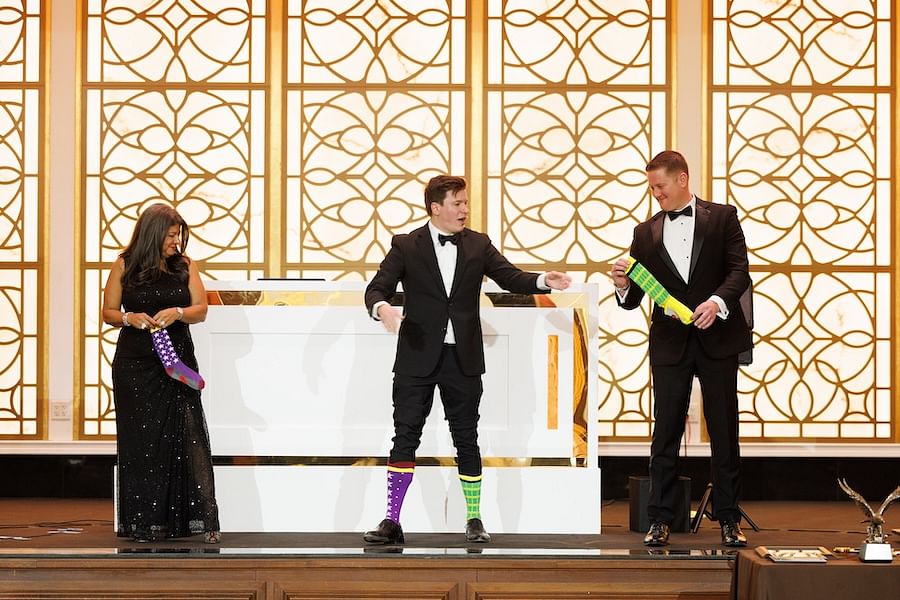
Our own Matt Szat has been using Magic Cue for the last couple of years in his shows. He has proven how a simple iPhone app and cue button can transform not only the audio cues, but also add in video, control lighting, add in effects, and a live camera feed from his phone to a projector on stage!
The evolution from analog relays to iPhone apps and buttons has transformed show control into a discipline blending IT, electrical engineering, and creative design. Emerging trends suggest:
As network protocols continue to mature, the line between “show” and “industrial” control will blur further, letting solo performers realize increasingly ambitious visions with reliability once deemed impossible to obtain.
Stream downloads instantly, or join Masterclass.
Stream downloads instantly, or join Masterclass.