On Acting
By Joshua Jay -
A word about “acting.” Don’t. Magicians always seem to overdo the magician-in-trouble scenario. You know what I’m referring to here: they-know-that-they-know-that-I-know-that-they-know that the trick didn’t really go wrong. We’re all adults here. This comes up a lot in the performance of close-up magic. You find three Kings and then...whoops, you “accidentally” found an Ace. When you change the other three Kings into Aces, it’s an extremely powerful moment (thanks to Vernon’s “Matching the Cards” routine). But I would advocate for an understated approach, since the climax of the trick proves that you didn’t really make a mistake, and this climax takes place literally seconds after your “mistake” occurs.
I’m not someone who believes in a rigid inner-logic to every second during a card trick. I’m not against a performer acting disappointed or surprised that something has, apparently, gone awry. I just think we have to treat these moments with restraint and subtlety.
Watch the real masters perform “Matching the Cards” or any effect in which there’s a built-in mistake (Tommy Wonder called these “Failureffects”; they are often given an uglier moniker: sucker tricks). You’ll notice that in place of any serious acting, there is something else: silence.
I’m thinking of Eugene Burger, Juan Tamariz, and Vernon himself. They stop--usually holding very still--and it’s more effective than minutes of talking to yourself aloud as you discover you’ve made an apparent mistake.
It’s a small point but one that’s worth considering. Rather than spelling it out for an audience, next time you need to communicate a mistake, just pause, and stand in silence for a moment, contemplating how you’re going to recover. Then, without cockiness or fanfare, reveal the magic.
Reader comments

Norm Flagg
So good, so true........

Interesting. I'll use silence.

Andy Wallace
An interesting idea. However, silence is also a skill that needs mastery, perhaps ironically. You need to know when and where to use silence in an effect... otherwise it ends up looking very awkward and amateurish. Silence puts all the heat on you, and if the audience is confused for one reason or another, the whole trick falls apart.

Steve Sanders
I think you're right Josh, silence is a great nonverbal marker. People notice silence. Quiet is rare in our profession, For this reason, an unexpected silence on the part of the performer adds weight to important statements or puts emphasis at a particular point. You still need to sound like a real person, and we shouldn't add pauses all over the place. If we add dramatic pauses after every sentence, your audience may get confused, and then bored, and then irritated, and irritating spectators is always something to avoid. If you use silence appropriately you have the chance to magically add emphasis to your revelation.
Leave a comment
to post a comment.
Similar posts on the blog


To Pick or to Name a Card – What is more effective?
Gustav Kuhn and Radeck Wincza - 29-Apr-2025
Category: Articles
The MAGIC-lab is back, and this finding will surprise you!


A Brief History of Three Card Monte as a Magic Trick
Damian Jennings - 24-Apr-2025
Category: Articles
Magicians have borrowed from con men for centuries...


A Practical Guide to Headshots for Magicians
Andi Gladwin - 20-Nov-2024
Category: Articles
Andi breaks down the technical side of headshots. Where to put them, what photos you need, and why you shouldn't use lead with holiday snaps on your Facebook!

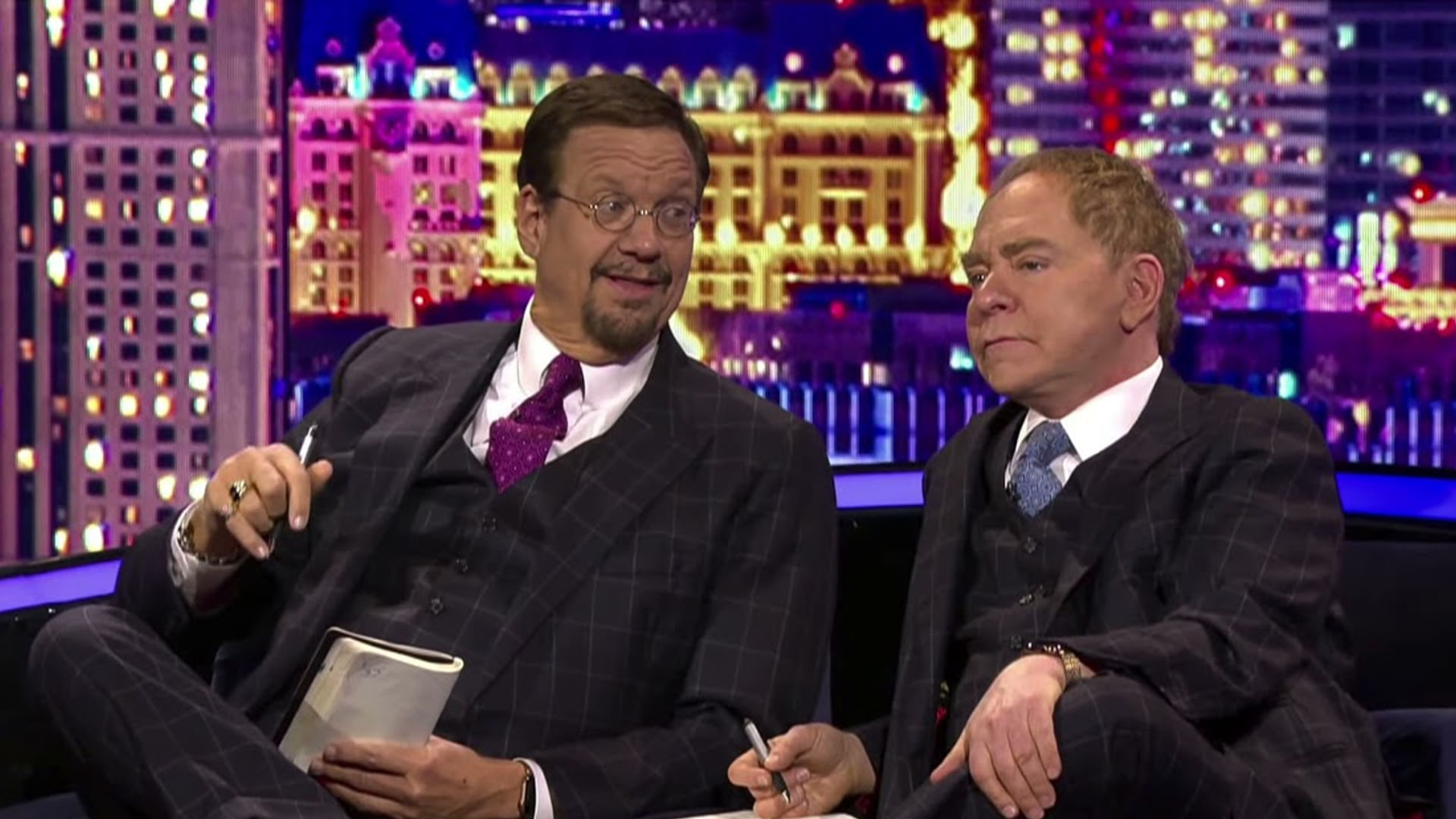
How to Stand Out On Fool Us
Vanishing Inc. - 10-Jan-2024
Category: Articles
Genii magazine asked Executive Producers of Fool Us, Andrew Golder and Lincoln Hiatt, about what it takes to succeed on Fool Us, and they've allowed us to share their answers with you!