The History of ESP Decks
By Vanishing Inc. -
What Is The History of ESP Decks?
For nearly a century, ESP cards have occupied a strange and fascinating place between science, psychology, mystery, and magic.
Originally created for laboratory experiments testing “extra-sensory perception,” these simple symbol cards eventually found their way into the hands of magicians and mentalists around the world. Today, ESP decks remain one of the most recognizable tools in mentalism, capable of creating demonstrations that feel impossible while using nothing more than a few abstract symbols.
Where Did ESP Cards Come From?
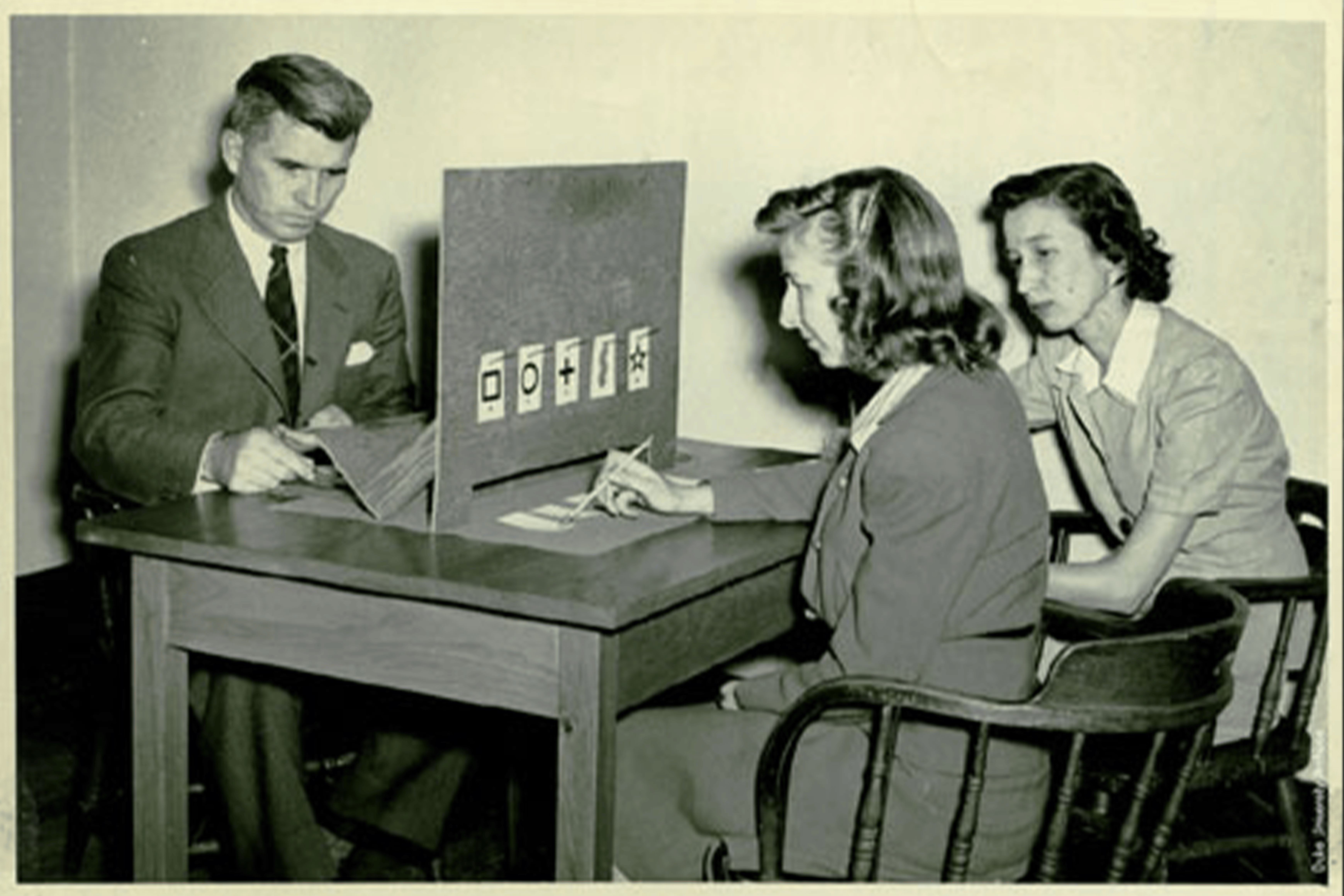
ESP cards, more formally known as “Zener cards,” were created in the early 1930s by perceptual psychologist Karl Zener while working alongside parapsychologist J. B. Rhine at Duke University. Their goal was simple: create a standardized set of symbols that could be used to test claims of telepathy, clairvoyance, and psychic ability.
The final design became iconic:
- A circle
- A cross
- Three wavy lines
- A square
- A star
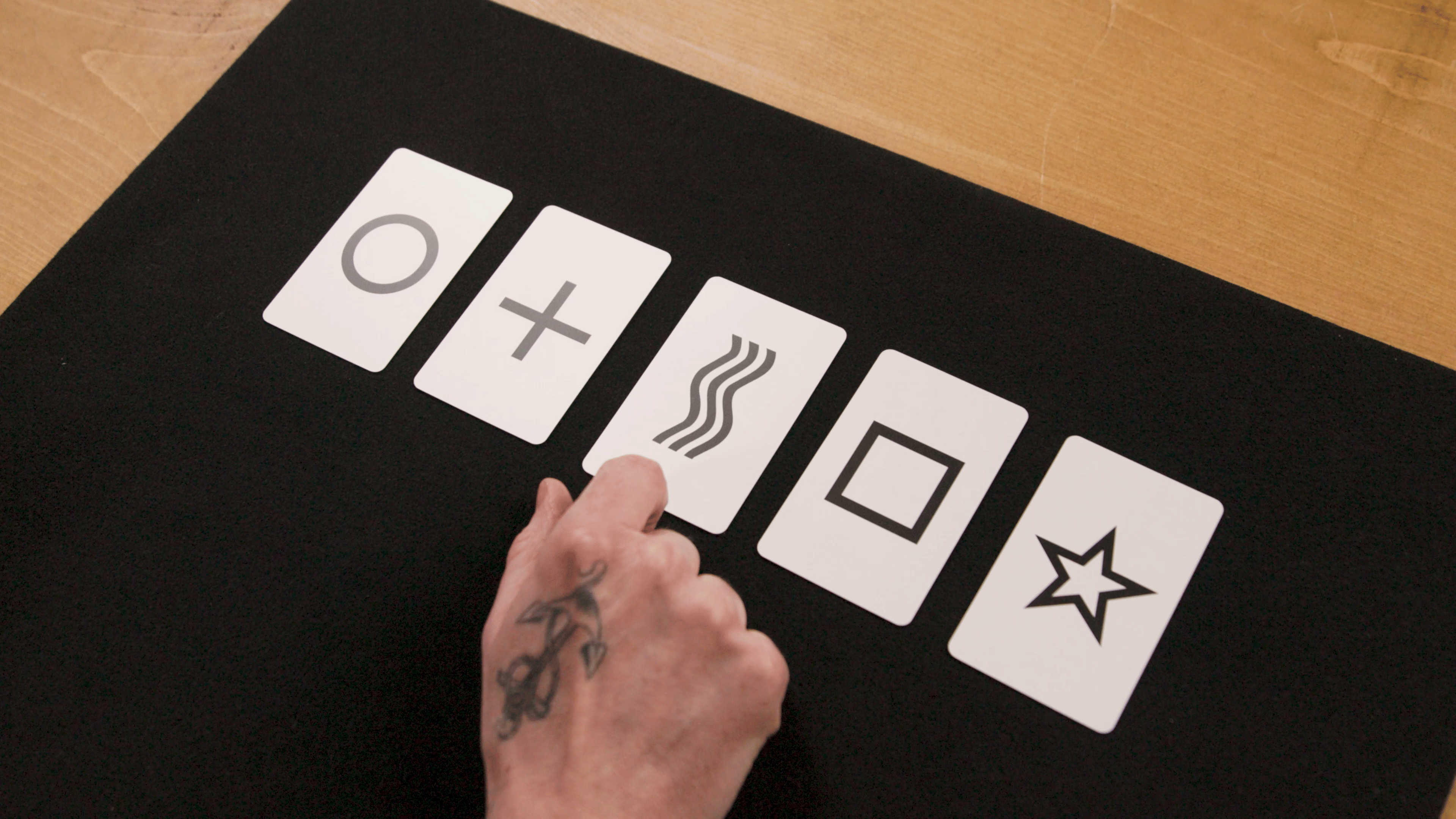
Each symbol appeared five times in a 25-card deck. Participants would attempt to guess which symbol appeared on a hidden card while researchers recorded the results.
At the time, these experiments captured massive public attention. Newspapers covered the studies extensively, and the idea of scientifically testing psychic ability fascinated audiences worldwide.
Whether people believed the experiments or not, one thing became undeniable: ESP cards had mystery built directly into them.
Why Are ESP Cards Used for Magic Tricks?
It didn’t take long for magicians and mentalists to recognize the theatrical potential of ESP cards.
Traditional playing cards carry obvious associations with gambling, poker, and card tricks. ESP cards felt completely different. Their clean geometric symbols created a more psychological and mysterious atmosphere.
Suddenly, performers could frame demonstrations as:
- Telepathy
- Intuition
- Influence
- Psychological experiments
- Thought transmission
The props themselves looked scientific rather than magical.
ESP cards allowed performers to move away from “pick a card” presentations and into demonstrations that felt more believable, modern, and emotionally engaging.
By the mid-20th century, ESP routines had become staples of mentalism performances. Countless creators developed matching effects, prediction routines, coincidences, influence demonstrations, and pseudo-psychic experiments using these five symbols.
Why do Magicians and Mentalists Use ESP Cards?
Despite being nearly 100 years old, ESP decks remain incredibly effective with modern audiences.
In fact, many mentalists would argue they work better now than ever before.
Why?
Because audiences no longer see them everywhere.
Unlike standard playing cards, ESP symbols still feel unusual and unfamiliar. Most audiences don’t immediately associate them with sleight-of-hand or traditional magic methods.
There’s also a visual simplicity to ESP cards that makes effects easy to follow. Audiences instantly recognize the symbols, which allows performers to focus attention on the impossibility of the demonstration instead of explaining values, suits, or complicated procedures.
Even popular culture helped cement their place in public consciousness. Movies like Ghostbusters famously featured Zener card testing scenes, introducing generations of people to ESP symbols.
What Should I Look For In A Good ESP Deck?
While the concept of ESP cards has stood the test of time, the physical decks themselves often haven’t.
Many traditional ESP decks are printed on fragile paper stock that wears out quickly under real-world use. Others prioritize method over usability, leaving performers with awkward markings, poor handling, or impractical designs.
That’s one reason modern creators have continued refining the format.
Today’s performers want ESP decks that:
- Handle smoothly
- Last through repeated performances
- Read clearly at a glance
That’s exactly what led Alexander Marsh to create the AF ESP Deck.
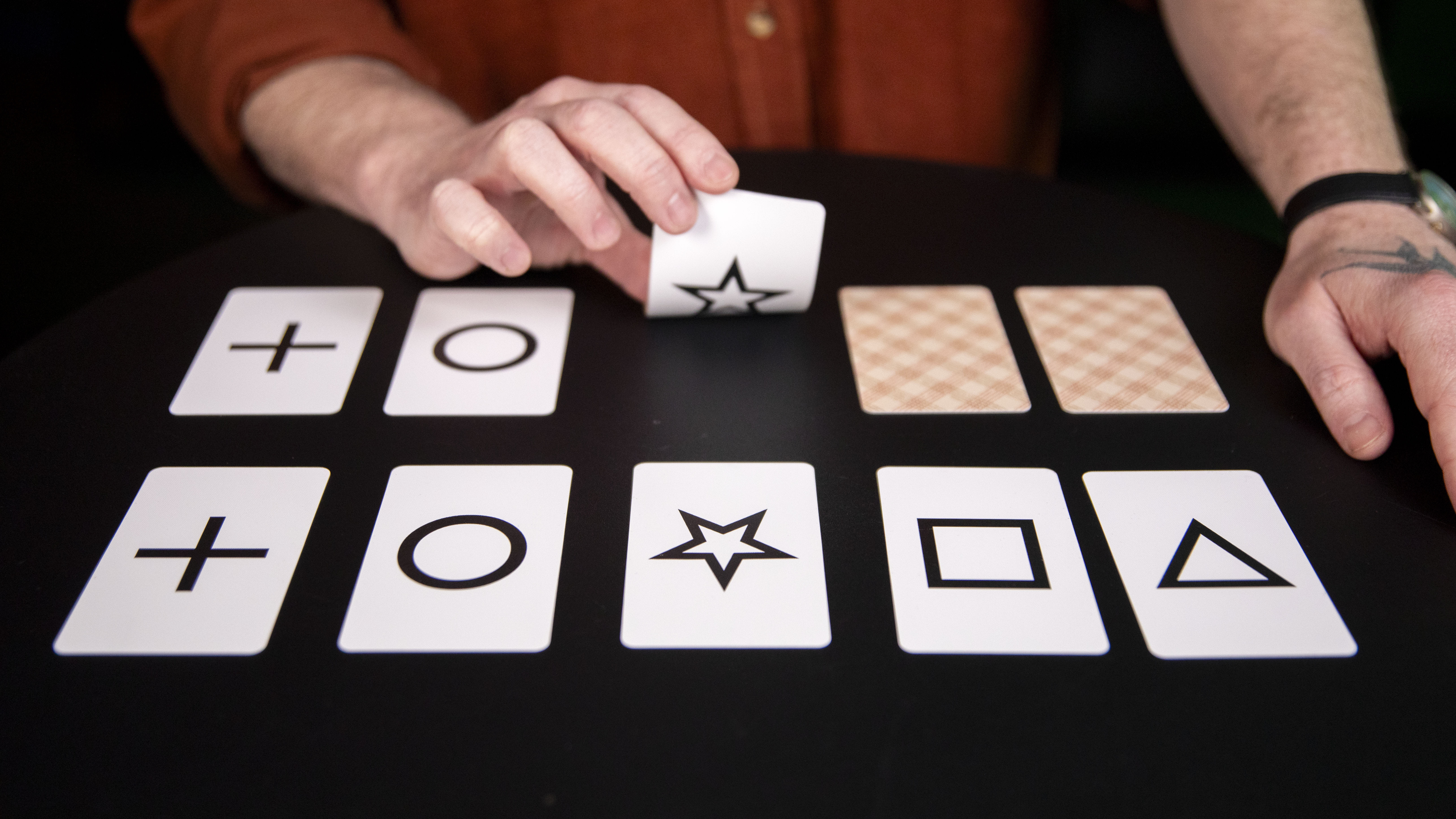
After becoming frustrated with the limitations of existing ESP decks, Alex and Vanishing Inc. teamed up to design a version built specifically for working performers.
Some of the biggest upgrades include:
- Durable premium plastic stock
- Easy-to-read markings
- A practical carry envelope
- Modern handling designed for real performances
Most importantly, the back design is a simple 'vintage' retro style, keeping with the time period in which the original Zener Cards were designed.
Why are ESP Cards Classic?
Magic trends come and go.
But ESP cards continue to survive because they tap into something deeper than simple tricks.
They create the feeling that maybe, just maybe, something impossible could actually be happening.
That tension between science, psychology, intuition, and mystery is exactly what has kept ESP decks relevant for nearly a century.
And for mentalists, that makes them far more than just another deck of cards.
Leave a comment
to post a comment.
Similar posts on the blog


Two Ed's Are Better Than One: Volume Three
Ed Hass - 29-Apr-2026
Category: About Vanishing Inc.
Ed shares this month's progress!


An Interview With Roberto Mansilla
Helder Guimarães - 15-Apr-2026
Category: About Vanishing Inc.
From Naypes, Helder Guimarães interviews Roberto Mansilla

Maskelyne: The Man Who Made Magic Respectable
Alex Romanoff - 10-Apr-2026
Category: About Vanishing Inc.
Alex looks at John Nevil Maskelyne and how he convinced audiences to take magic seriously.


Ben Seidman: And the Winner Is
Rory Johnston - 10-Apr-2026
Category: About Vanishing Inc.
He stood backstage and felt something he hadn't experienced in years: nervousness.